Guides
Behind the ACMA's Gambling Website Blocks
We went through the ACMA's blocking pages, its quarterly enforcement reports and its consumer warnings to explain what sits behind a blocked gambling site. The short answer: the regulator does not block betting it licenses, it blocks services the Interactive Gambling Act bans outright or that operate without an Australian licence, and a block can lock players out of their own balance.
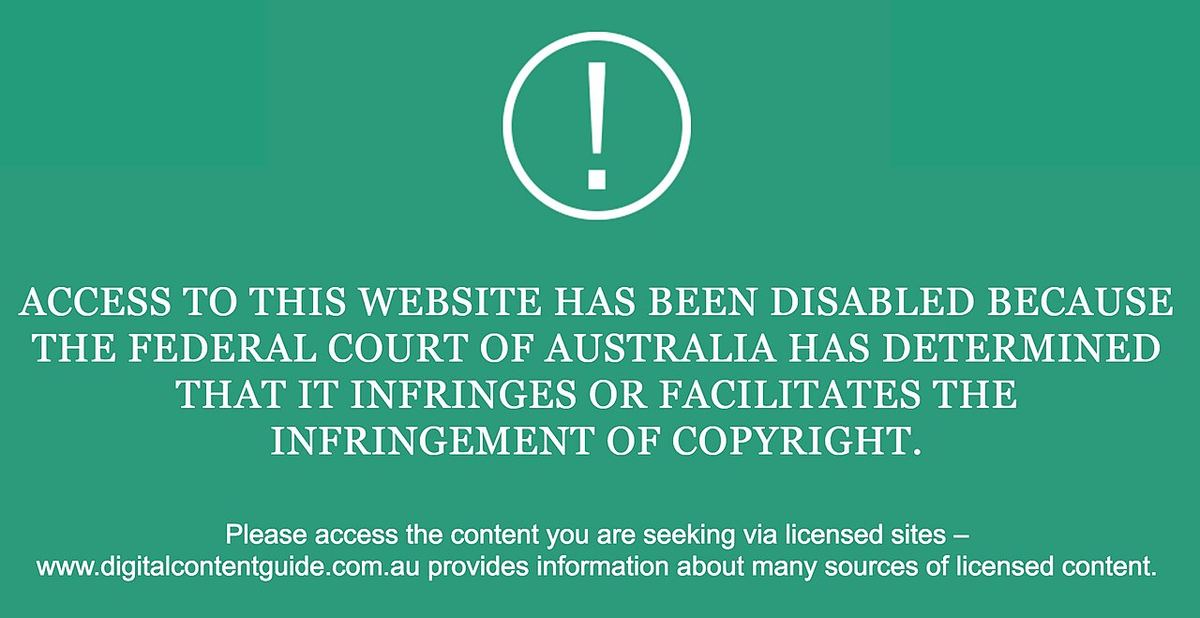
The page Optus showed in 2016 when a user tried to open a site blocked by court order (The Pirate Bay, a copyright block, not a gambling block). Photo: Pratyeka, Public domain
On this page 7 sections
The legal basis for a block
Blocking is not a power written into gambling law itself. According to the ACMA's page on blocked gambling websites, the regulator asks internet service providers to block sites under section 313 of the Telecommunications Act 1997, which is used where serious criminal or civil offences are involved. The ACMA publishes its section 313 policies and procedures on the same page.
The offences in question come from the Interactive Gambling Act 2001. The ACMA lists three kinds of breach that can lead to a block:
- Prohibited interactive gambling services, such as online casinos, online slot machines and in-play online sports betting.
- Unlicensed regulated interactive gambling services, meaning betting services offered without a valid Australian licence.
- Advertising of either kind of service.
The ACMA's summary of the Act adds betting on the outcome of a lottery to the banned list, and confirms none of these services can be advertised. Its consumer warning page goes further on the product side: illegal online services include slots (pokies), casino-style games, scratchies, in-play betting, and betting or lottery services not licensed in Australia. Our guide to gambling law across the states covers the legal side for land-based play.
How a site ends up blocked
The quarterly enforcement reports show the sequence. A complaint or enquiry comes in, the ACMA investigates, and if it finds a breach it can issue a formal warning, refer the site to internet providers for blocking, and report the address to family-friendly filter providers. The April to June 2026 report gives the figures for one quarter.
ACMA interactive gambling enforcement, April to June 2026.
| Measure | Figure |
|---|---|
| Enquiries and complaints received | 465 |
| Of those, valid | 417 (90%) |
| Investigations | 30, covering 76 sites |
| Investigations that found breaches | 27 |
| Breaches found | 56: 30 prohibited, 24 unlicensed regulated, 2 advertising |
| Formal warnings | 18 |
| Websites referred to internet providers for blocking | 187 |
| URLs reported to family-friendly filter providers | 187 |
A quick check on the breach split: 30 + 24 + 2 = 56, so more than half of the breaches found in the quarter (30 ÷ 56 = 53.6%) were prohibited services such as online casinos rather than unlicensed betting.
On 21 May 2026 the ACMA announced another round of blocks and put the running total at 1,708 illegal gambling and affiliate websites blocked since its first request in November 2019. The same announcement said over 230 illegal services had left the Australian market since enforcement of the 2017 rules began.
Why the same names keep coming back
Blocking one address does not stop an operator registering another. The July to September 2025 report recorded 71 websites blocked in that quarter and noted that they include alternate sites set up to evade the blocks. The ACMA's alphabetical list of blocked sites also shows many brand names appearing several times with a number added. That is our own observation from the list, not an ACMA finding, but it fits the regulator's description of mirror sites.
Each mirror counts as a separate block, which is one reason the running total keeps climbing even though the number of distinct operators is smaller.
What a block means for the player
The ACMA's consumer warning is blunt. Regulators cannot help if an illegal operator treats you poorly or withholds your winnings, and once a site is blocked you may not be able to log in to an existing account. The complaints the ACMA describes include winnings that could not be accessed, operators that closed or moved with players' money, and withdrawals that kept coming out of a bank account. The page warns that people in that position are unlikely to see their money again.
The May 2026 announcement makes a related point: even a service that looks legitimate is unlikely to offer important protections, so you risk losing your money. The options the ACMA lists for trying to recover funds are independent legal advice, the ACCC, or the licensing authority of the jurisdiction the operator claims to be licensed in. None of those is an Australian right against an offshore casino.
Money rules have changed for licensed betting too. The ACMA's online gambling services page says that from 11 June 2024 a credit card or digital currency cannot be used to place bets with licensed providers. Our payments guide explains the deposit methods in more detail.
Checklist: before you deposit with a betting site
These checks come straight from the ACMA material above. Work through them in order:
- Is it a product Australian law allows online? Online casino games, online pokies, online scratchies, in-play online sports betting and betting on lottery outcomes are banned interactive services. A site offering them to Australians is breaking the law, whatever its homepage says.
- Is the betting service on the register? The ACMA points punters to the register of licensed interactive wagering services. If the operator is not on it, it is an unlicensed regulated service.
- Does it accept a credit card or crypto for bets? Licensed providers cannot take either for betting since 11 June 2024, so a site that does is a warning sign.
- Do you know who you would complain to? If the only answer is an overseas regulator, Australian regulators cannot step in on your behalf.
- Have you hit a block page? That means the ACMA has already found a breach, or the site is a mirror of one. Treat a fresh address under the same brand the same way.
- Is the site advertising to you? Ads for prohibited or unlicensed services are themselves a breach, and the ACMA has been consulting on tougher rules; we covered that in our report on the ACMA's push on offshore casino ads.
Gambling is for adults 18 and over. If chasing a balance on a blocked site is causing stress, the National Gambling Helpline on 1800 858 858 is open around the clock, and BetStop can shut every licensed wagering account at once.
Reporting a site, or disputing a block
Anyone can complain to the ACMA about an illegal gambling service, and complaints can be anonymous. The process also runs the other way: the ACMA lets people explain why a site should not be blocked, through its Customer Service Centre on 1300 850 115, from 9am to 5pm AEST on working days.
What changes next
According to the ACMA, Parliament passed the Interactive Gambling Amendment (Gambling Reform) Bill 2026 on 19 August 2026. The ACMA says the reforms boost its enforcement powers, including the ability to take down ads and illegal services, and that most of them commence on 1 January 2027. Until then, section 313 blocking requests remain the main tool for cutting off access to sites that ignore Australian law.
Sources
- ACMA – Blocked gambling websites
- ACMA – Latest illegal online gambling websites blocked (21 May 2026)
- ACMA – Action on interactive gambling and gambling advertising, April–June 2026
- ACMA – Action on interactive gambling, July–September 2025
- ACMA – Protect yourself from illegal gambling operators
- ACMA – About the Interactive Gambling Act
- ACMA – Online gambling services
Frequently asked questions
Is it illegal for me to use a blocked gambling site?
The Interactive Gambling Act targets the people who provide and advertise prohibited or unlicensed services to Australians. The ACMA's warning to players is practical: regulators cannot help you get money back from an illegal operator, and a block may stop you logging in to your account.
How does the ACMA block a gambling website?
It asks Australian internet service providers to block the site under section 313 of the Telecommunications Act 1997, after an investigation finds a breach of the Interactive Gambling Act 2001.
How many gambling sites has the ACMA blocked?
On 21 May 2026 the ACMA said 1,708 illegal gambling and affiliate websites had been blocked since its first blocking request in November 2019.
Can I get my money back from a blocked casino?
The ACMA warns you are unlikely to. It suggests independent legal advice, the ACCC or the licensing authority the operator claims to hold a licence from.
Read next
 Safer GamblingBetStop Self-Exclusion: Coverage, Periods and Exit RulesBetStop shuts every licensed online and phone wagering account in one go, but it does not reach pokies rooms or casinos. We map what the national…
 Safer GamblingCashless Pokies in NSW, Victoria and TasmaniaCashless pokies have been promised, trialled, legislated and shelved, depending on the state. We sort the announcements from what is actually in…
 RacingEach-Way Betting and Place Terms in Australian RacingAn each-way bet is two bets in one, and the second half depends on how many runners face the starter. We compared tote and fixed-odds place rules…
18+Order set by our editors; we earn a commission on sign-ups through partner links — how this works. Decide your budget and session time before you start.